
Editor’s Note: This article appears in Governing’s Q2 2026 Magazine. You can subscribe here.
As midterm elections approach, affordability is top of mind for voters and candidates. The war in Iran has added to worries about the cost of living, but groceries and other essentials strained budgets long before gasoline prices went up.
The median income of American households, taking inflation into account, has gone up over the past two decades. But it hasn’t risen as sharply as the price of housing — the single largest expense for most families and the core of financial stability. On average, about a third of all people earning a median wage can’t afford a median-priced home where they live. That number is higher in communities where housing prices have increased above national averages. Almost half of all renters are cost burdened, spending more than 30 percent of their income on utilities and rent.
The monthly cost of health insurance, meanwhile, is 30 percent more than it was in 2017. Net savings as a percentage of Gross National Income is down 80 percent since 2000. Student debt has tripled since 2006. A 2026 survey by an insurance brokerage found that almost half of homeowners say home insurance is so expensive it should be optional. These kinds of burdens cut even deeper than rising grocery prices.
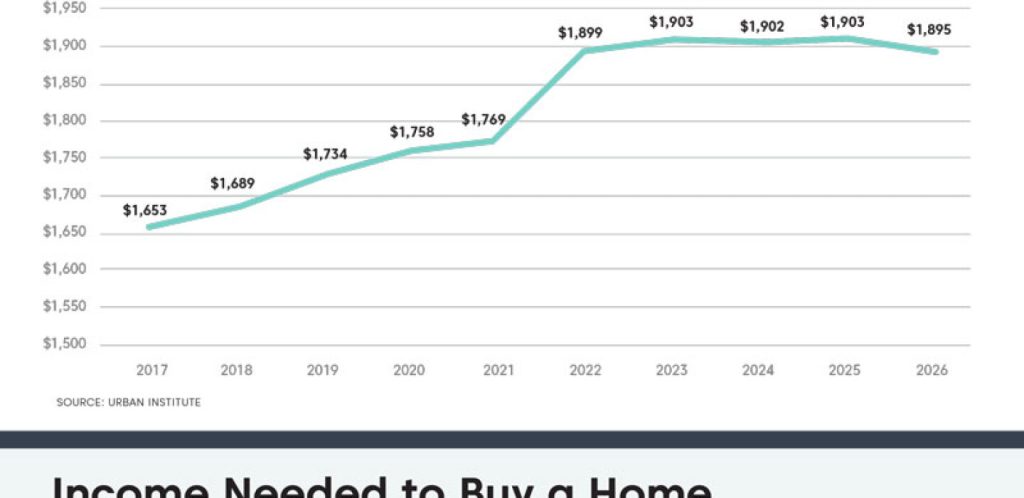
In early 2026, the Urban Institute used indicators ranging from electricity costs to childcare to achieve a nuanced picture of household finances. They found that 49 percent of American families don’t have the resources to cover the “true cost” of economic security. Higher oil prices can compound these problems, but it will take more than bringing them down to fix the affordability issue.




Alice J. Roden started working for Trending Insurance News at the end of 2021. Alice grew up in Salt Lake City, UT. A writer with a vast insurance industry background Alice has help with several of the biggest insurance companies. Before joining Trending Insurance News, Alice briefly worked as a freelance journalist for several radio stations. She covers home, renters and other property insurance stories.