

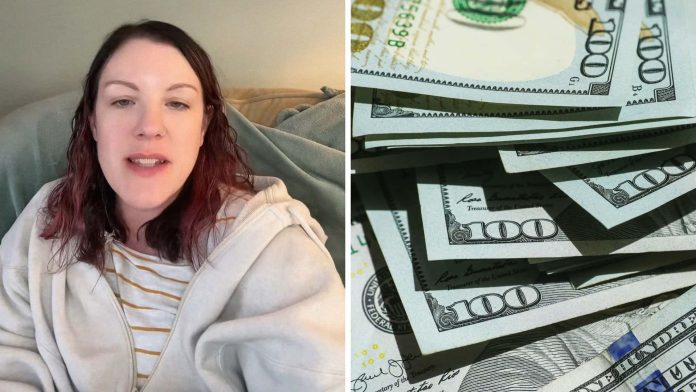

It’s an accepted fact that after an accident, your insurance rate will increase, no matter who was at fault. But is that actually true? A self-proclaimed “insurance nerd” from Rhode Island says that your premium increase may have nothing to do with filing a claim.
TikTok creator Cara (@friendlyneighborhooduw), who says she works as an underwriter, uploaded a video urging people to ask their insurance providers for a “declaration page” that explains why their premiums have gone up.
At the top of her video, she says that many people believe their rates go up whenever they file a claim. However, Cara states this isn’t necessarily the case and breaks down what types of insurance claims actually cause rate hikes. She tells viewers that there are ways to discover whether rate hikes are attributed to a filed claim or other factors.
She says individual states have different automotive laws that affect insurance premiums. However, according to her, if a driver is found not at fault in an accident, their insurance costs shouldn’t go up.
“For the most part, most parts do not surcharge for not-at-fault losses,” she tells her audience. “If you are found to be primarily not at fault for an accident, most likely you are not going to be surcharged for that.”
Cara then highlights the types of incidents that shouldn’t lead to a rate increase.
“If you have a comprehensive loss, for example, which covers things like fire, theft, vandalism, glass breakage, most times, are not surchargeable,” she says.
Cara adds that getting in an accident with someone who isn’t insured shouldn’t cause your premiums to spike either. “Similarly, uninsured motorists, if that’s offered in your state, is typically another coverage that isn’t really surchargeable,” she continues.
Even if your rate increases after an accident, there’s a time limit appended to it in some areas. And there’s also a dollar limit on losses that must be reached before insurance companies will increase coverage costs. She says that these apply to both at-fault and not-at-fault incidents.
“The look back period for claims is about three to five years. So if an accident occurred beyond that five years, you are not gonna be charged for it,” Cara says.
Conflicting Opinions
While Cara may be correct, many people claim that their rates went up after they filed a claim, even though they weren’t at fault.
One person who commented on her TikTok wrote, “I had the same ins company for 10+ years. No claims. Got rear ended last year, other ins accepted 100% liability. I used my own ins bc it was faster (other ins took a year to pay). My insurance raised my rates over 50% next renewal. Dropped them immediately.”
One Reddit user who posted to the site’s r/Insurance sub claimed that after a car backed into them at a restaurant, their premiums skyrocketed by 200%. According to them, simply filing a claim, one they weren’t considered at fault for, is what precipitated the increase. Another person on the site said that even not-at-fault loss claims can affect their premiums.
The Insurance Information Institute also published an article addressing concerns from auto insurance customers whose rates went up despite not filing a single claim. According to the organization, other factors, such as total “medical and auto body repair costs” can affect insurance rates even for accident-free drivers.
What Should I Do If My Insurance Increases?
In the final portion of her TikTok, Cara says that insurance companies do provide breakdowns explaining why their premiums have increased. So if you were in a collision, you’ll be able to figure out whether your rates went up due to that.
“If you are being surcharged for an accident, you will see this usually somewhere on your declarations page,” Cara states.
“You may see it listed as a driver surcharge, or a chargeable accident with a percentage amount. Or a dollar amount. You might see it called merit ratings. In Massachusetts for example, they call it SDIP points,” she elaborates. “Some renewals will also include a ‘what’s changed’ section of the policy. To go over what has changed with your renewal this term versus what it was last term.”
She urges people who’ve experienced rate increases to call their insurance provider to better understand why.
“Usually the quickest way is to call your company or your agent and ask what the difference in premium is due to. And, generally speaking, if it’s because of a loss they can tell and let you know,” she concludes her video.
Motor1 has reached out to Cara via email for further comment. We’ll update this if she replies.

Based in New York, Stephen Freeman is a Senior Editor at Trending Insurance News. Previously he has worked for Forbes and The Huffington Post. Steven is a graduate of Risk Management at the University of New York.