


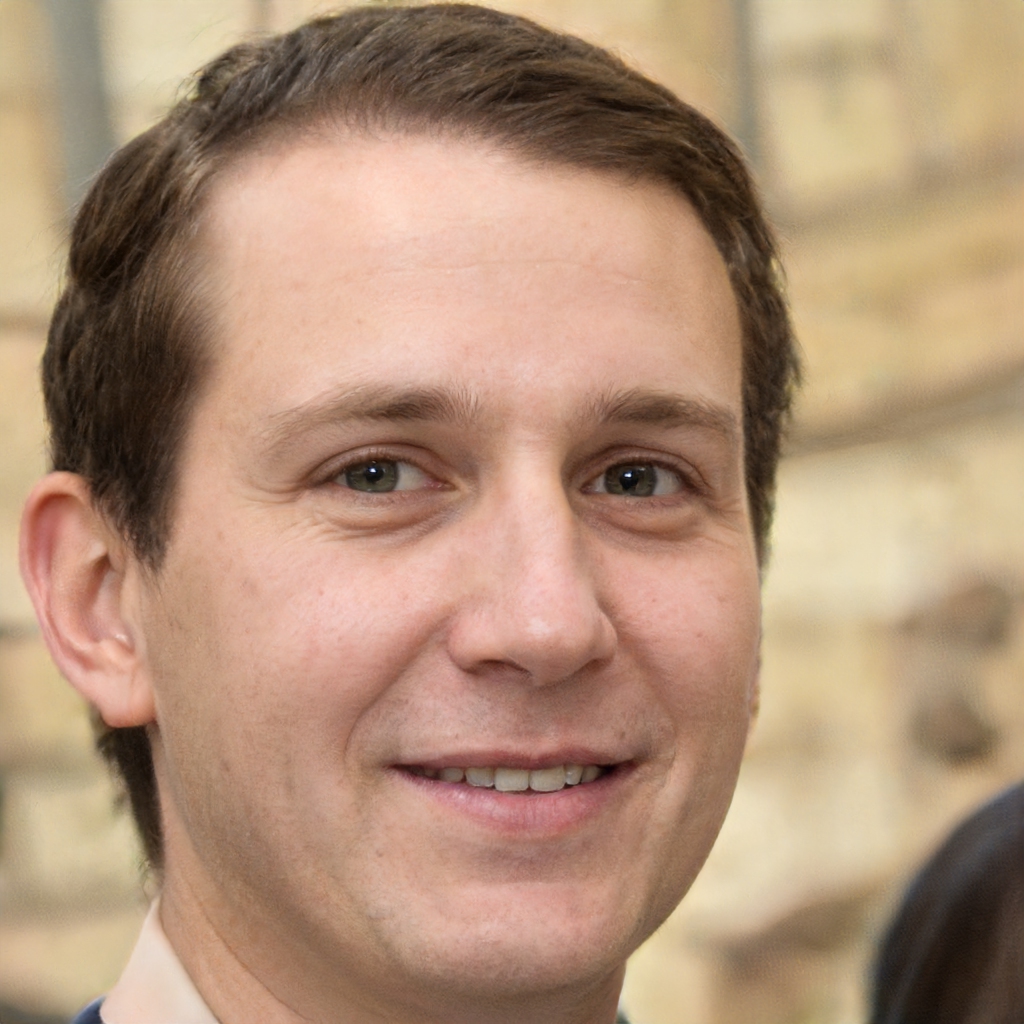

Ahead of the June primary election, the Southern California News Group compiled a list of questions to pose to the candidates who wish to represent you. You can find the full questionnaire below. Questionnaires may have been edited for spelling, grammar, length and, in some instances, to remove hate speech and offensive language.
Name: Eric Thor Aarnio
Current job title: Contractor
Age: 58
Political party affiliation: Republican
Incumbent: No
Other political positions held: None
City where you reside: Sacramento
Campaign website or social media: N/A
Why do you want to become the insurance commissioner? What does a commissioner do? (Please answer in 250 words or less.)
I want to become Insurance Commissioner because, as a contractor, I have repeatedly seen families struggle to rebuild their lives after disasters. Too often, their recovery is delayed not by the damage itself but by slow insurance payouts. These delays create unnecessary hardship, leaving people in limbo when they should be focused on moving forward. Insurance exists to provide security in times of need, yet many policyholders feel ignored or deprioritized when filing claims.
I believe that all insurance claims, whether large or small, should be handled with the policyholder’s well-being as the top priority, not the company’s bottom line. Families deserve timely, fair responses so they can rebuild their homes and lives without added stress.
As Insurance Commissioner, I would work to advocate for and address the needs of Californians while balancing the needs of insurance companies.
When it comes to wildfire risks, how would you balance consumer protection with a functioning, competitive market? What would you have done differently to reform homeowners’ insurance following efforts to help L.A. rebuild from the wildfires? (Please answer in 250 words or less.)
Insurance is the ability of a community to combine resources for a future catastrophe. However, target values should not have to cover higher values.
The state’s Department of Insurance says it is holding insurers accountable with its new “sustainable insurance strategy.” SIS allows insurance companies to increase rates based on the growing threat of climate change, passing on to their customers costs for insuring high-risk homes. In exchange, insurance companies are expected to write more polices in fire-prone parts of the state, where they’ve ended coverage for hundreds of thousands of homeowners over the past decade. The goal of SIS is to help transition property owners off the FAIR Plan. Tell us why you do — or don’t — support this strategy. (Please answer in 250 words or less.)
Acts of nature are not covered by insurance without extra policies. They should not charge extra for acts of nature. I do not support this.
State Farm teetered on insolvency in the state after the L.A. wildfires. Everyone’s homeowners’ insurance policies rose this past year due to the consumer bailout of State Farm and the FAIR Plan, both of which sought huge rate increases. Is this fair to consumers who don’t live in fire-prone areas? Tell us why or why not. (Please answer in 250 words or less.)
It is not fair; people should not have to pay for others in high-risk areas.
Catastrophe modeling is a computer-based process that simulates thousands of potential natural or man-made disasters to estimate potential financial losses. Do you believe California could utilize catastrophe modeling that could lead to rate increases for homeowners? Why or why not? (Please answer in 250 words or less.)
I would be open to looking at it as a possibility.
The California FAIR Plan is the state’s insurer of last resort. Is it fair for the plan to charge people to recover losses on a $1 billion assessment to pay for L.A. fire claims, even when these same people weren’t living in the wildfire areas? Please explain why or why not. (Please answer in 250 words or less.)
No, it is not fair. Those in higher-risk areas should pay higher and pass that on to people not affected.
Shouldn’t major insurers like State Farm and Allstate be permitted to cancel policies and leave the marketplace? Why not just let them leave? (Please answer in 250 words or less.)
They can if they want, but they need to leave the money they collected from California. It should not leave the state.
As of March, Insurance Commissioner Ricardo Lara is moving forward with finalizing new regulations to limit public oversight and transparency in insurance rate increases under 7%. A finalized rule effectively curtails public challenges to insurance rate increases by denying compensation to groups like Consumer Watchdog and other advocacy organizations. What do you think of this plan? (Please answer in 250 words or less.)
I do not agree. No matter how small the amount, public oversight and transparency are important.
Car insurance rates are skyrocketing in California, with rates jumping over 30% since 2022, driven by expensive vehicles, complex repairs and new safety requirements. What could you do to contain auto insurance costs when a driver has no accidents? (Please answer in 250 words or less.)
People with no at-fault accidents should not have rate increases to compensate for bad drivers.
How do you think taxpayers could better understand the work of this office? (Please answer in 250 words or less.)
Insurance is complicated; the best way to help people understand the work of the office is to increase transparency and give people the ability to learn more about it if they so choose.
What’s a hidden talent you have? (Please answer in 250 words or less.)
I am a detail-oriented and technical person who has spent most of his life helping others.

Based in New York, Stephen Freeman is a Senior Editor at Trending Insurance News. Previously he has worked for Forbes and The Huffington Post. Steven is a graduate of Risk Management at the University of New York.